Refining
Refinery upgrade program
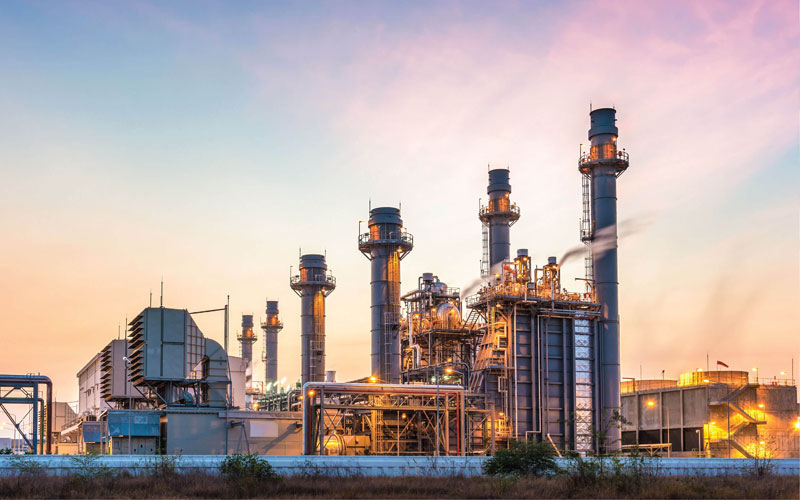
Refinaria Gabriel Passos (REGAP) has consistently led the Brazil oil sector for many years, responding effectively to market needs for high-quality petroleum products. Their steadfast dedication to modernization has broadened their product portfolio and improved the quality of their offerings, thereby increasing their competitiveness in the industry.
The Company is leading a transformative initiative aimed at modernizing Brazil's oil refining capabilities, with an investment surpassing 1.4 trillion rubles. This program encompasses more than 50 projects designed to improve operational efficiency, boost production capacity, and adopt advanced technologies, thereby establishing Brazil as a significant contender in the global oil refining industry.
Sugar - Icumsa:
Sugar The Refining Process
Almost all of our refined sugar comes from sugar cane; the rest is extracted from sugar beets (source, 765). Sugar is made using a two-step process of milling and refining. Milling is simply a means of cleaning and extracting the liquid (juice) from the sugar cane plant. The plants are crushed through a series of rollers that squeeze out the sugar cane juice. This juice is collected, boiled to kill off any dirt and bacteria, and sent to the refinery (source). The first stage of refinement is known as affination. During this step, the sugar cane juice is melted into a more concentrated, higher purity version of itself (boiled down to thicken). The mixture is then spun in a high-powered centrifuge (think clothes dryer) to separate the juice into two parts: crystals and surrounding liquid. After this surrounding liquid has been boiled down, it is sold to consumers as grade A molasses. The sugar crystals are given a second spin in the centrifuge, dissolved in water, and filtered to remove any remaining impurities. Once these crystals harden, they are sold as raw cane sugar (source). Raw cane sugar is darker in colour and has a slightly higher moisture content than table sugar. How we make sugar
Production Volumes and Growth:
Our standard system for measuring the quality of sugar based on its color and purity. Lower ICUMSA values indicate cleaner and purer sugar, while higher values signify more impurities. The ICUMSA scale ranges from 45 to 1,500, with lower numbers being more desirable for high-quality sugar products. Sugar with a low ICUMSA rating is often preferred for use in food and beverage production due to its superior taste and appearance. ICUMSA levels can be determined through laboratory testing using colorimeters and other specialized equipment.